Skip to content
Granvia, Good Food. For All.
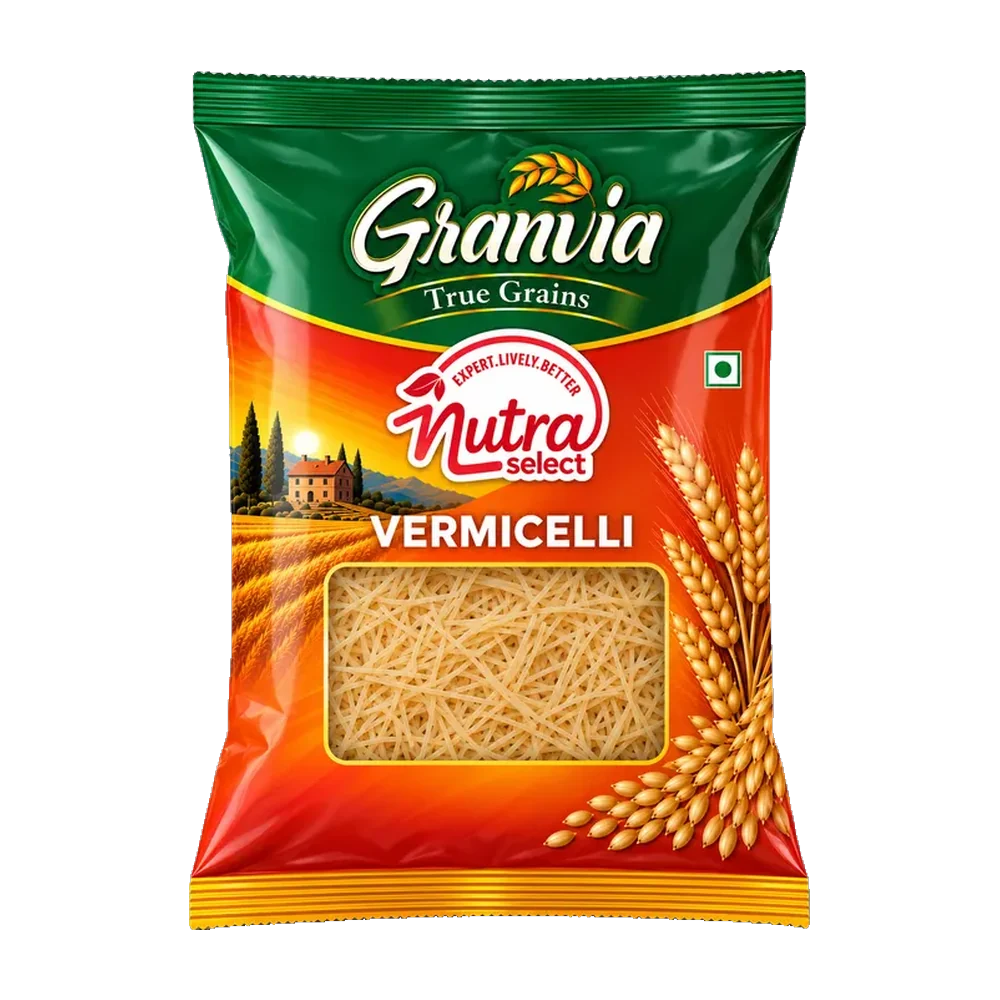
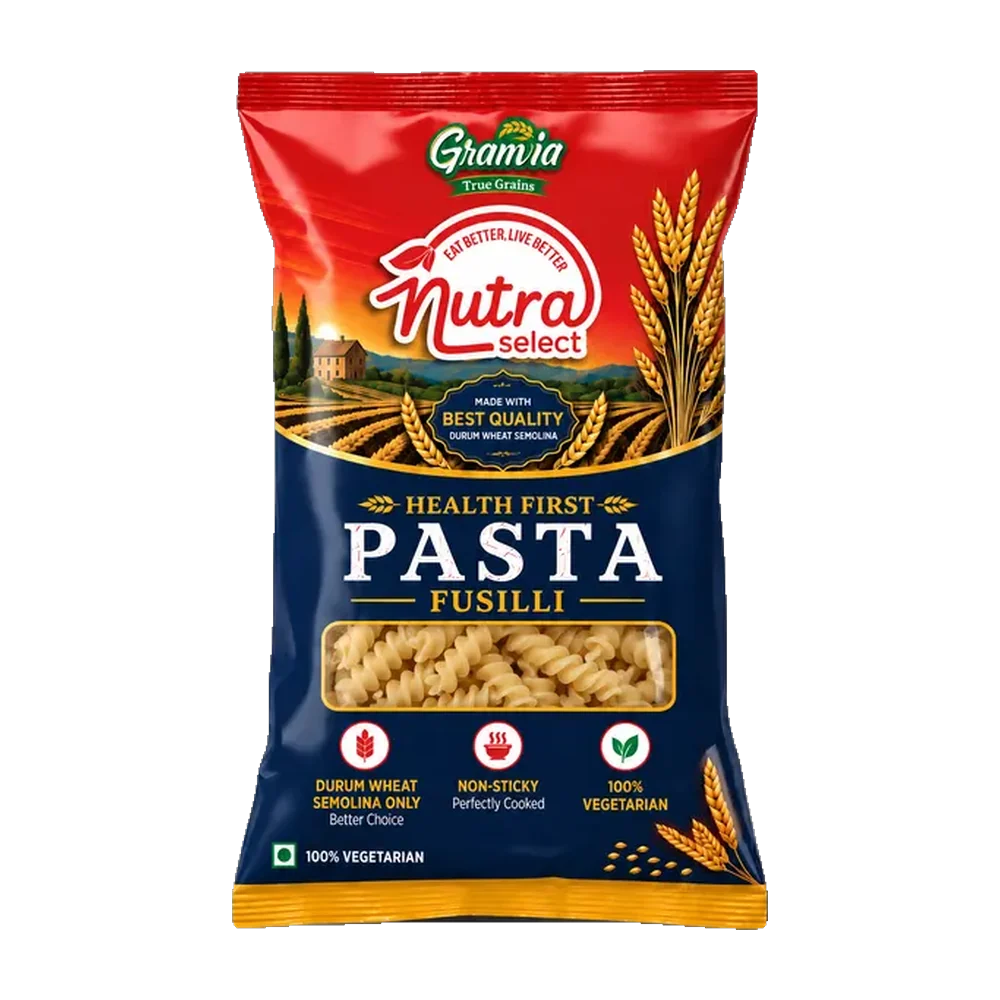
Granvia Health First Pasta Fusilli pack: Durum Wheat Semolina Only
Nutra Select

Health First Pasta

Made with durum wheat suji for natural wheat protein and a firm, non-sticky bite, with no maida added.

Pack sizes

  • 90g
  • 1kg
  • 5kg
  • 25kg

On the pack

  • Durum Wheat Semolina Only
  • Non-Sticky
  • 100% Vegetarian

From the pack to the plate

When Macaroni Met the Masala Dabba

Pasta may be Italian, but Indians have been finding their own ways to cook it for considerably longer than we might imagine.

In 1869, The Indian Cookery Book, published in Calcutta by Thacker, Spink & Co., included recipes for Macaroni Soup, Macaroni Pie and even freshly made macaroni. The pasta described there belonged largely to the colonial table: it was cooked with milk, butter, cheese and mustard or served in European-style soups and pies.

But the Indian kitchen rarely leaves an imported ingredient unchanged.

By 1914, another household manual, Pakwan-ki-Kitab: Memsahib’s Guide to Cookery in India, included a recipe for Curried Macaroni. Pasta had begun to cross the distance between the colonial dining room and the Indian masala dabba.

The transformation would continue. As packaged pasta became more widely available, Indian home cooks approached it in the same way that they approached many unfamiliar ingredients: by cooking it with flavours they already understood and enjoyed.

Onions and tomatoes replaced slow-cooked Italian sauces. Garlic, ginger, cumin, turmeric, chilli and garam masala entered the pan. Carrots, peas and capsicum added colour and allowed a little pasta to feed a family. Tomato ketchup supplied the sweet-and-sour note remembered from countless school lunchboxes. Fresh coriander often took the place of basil.

The method changed as well. Instead of being treated as a first course, pasta became an evening snack, a children’s tiffin or a complete one-pan meal. The sauce was cooked like a masala—until the tomatoes softened, the spices lost their rawness and everything came together—before the boiled pasta was tossed through it.

Not every plate of pasta in India is cooked this way. Italian recipes, restaurant-style red sauces and creamy white sauces all have their place. But Masala Pasta has acquired an identity of its own.

Its Italian ancestry remains visible in its shapes. Its Indian character comes from what happens after it enters the kadai.

Like Calcutta Chowmien, Masala Pasta reminds us that adopting a food does not mean preserving it unchanged. Sometimes the most affectionate welcome is to make it one’s own.

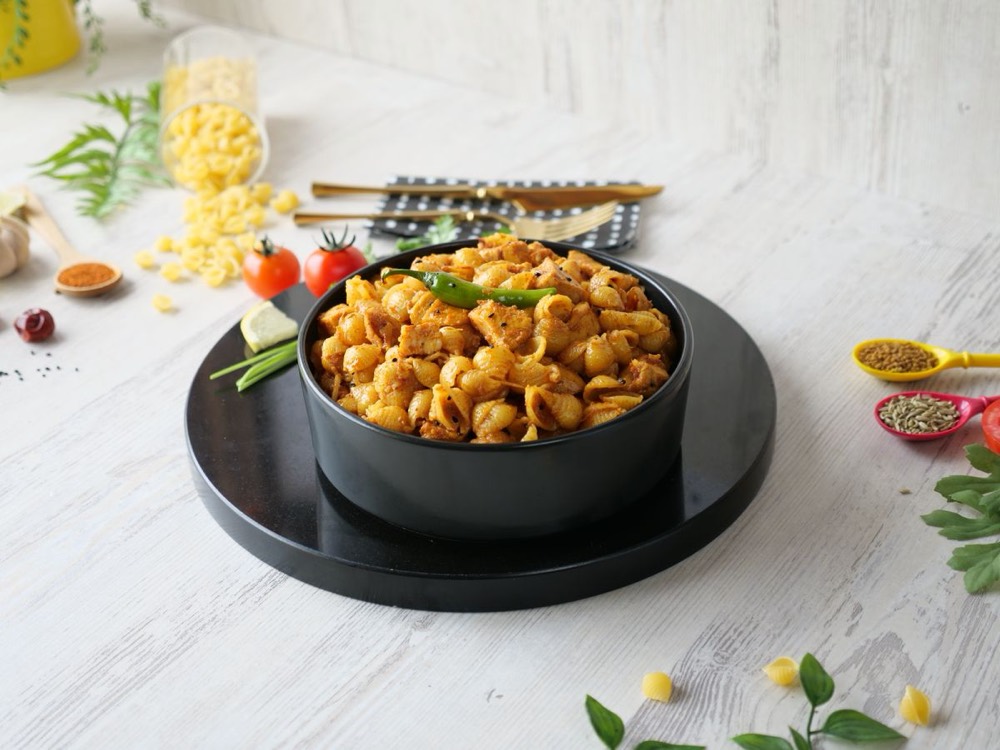
Everyday Indian Masala Pasta

A colourful combination of pasta, vegetables and a familiar onion and tomato masala. It is mildly spicy, slightly tangy and equally at home in a lunchbox, at the tea table or as a quick family meal.

  • Serves: 2–3
  • Preparation time: 15 minutes
  • Cooking time: 20 minutes
Everyday Indian Masala Pasta, serving suggestion
Serving suggestion

You will need

  • 200 g Granvia Pasta
  • 1½ tbsp vegetable oil
  • 1 tsp butter, optional
  • ½ tsp cumin seeds
  • 1 small onion, finely chopped
  • 3 cloves garlic, finely chopped
  • ½ tsp grated ginger
  • 2 medium tomatoes, finely chopped or puréed
  • 1 small carrot, finely diced
  • ¼ cup green peas
  • ½ capsicum, diced
  • ¼ tsp turmeric
  • ½ tsp Kashmiri chilli powder, or according to taste
  • ½ tsp coriander powder
  • ½ tsp garam masala
  • ½ tsp crushed kasuri methi
  • 1 tbsp tomato ketchup, optional
  • Salt, as required
  • ¼ cup reserved pasta water
  • 2 tbsp chopped fresh coriander
  • Grated cheese, optional

From pack to plate

  1. Cook the pasta

    Prepare the Granvia Pasta in salted water according to the instructions on the pack. Drain it while it still has a slight bite. Reserve about ¼ cup of the cooking water.

  2. Begin the masala

    Heat the oil in a kadai or wide pan. Add the cumin seeds and allow them to sizzle. Add the garlic and ginger and stir for a few seconds.

  3. Add the onion and vegetables

    Add the chopped onion and cook until translucent. Add the carrot and peas and cook for 2–3 minutes. Keep the capsicum aside so that it retains some crunch.

  4. Cook the tomatoes

    Add the tomatoes, turmeric, chilli powder, coriander powder and salt. Cook over medium heat until the tomatoes have softened and the masala becomes thick and glossy.

  5. Complete the sauce

    Add the capsicum, garam masala, kasuri methi and optional tomato ketchup. Cook for another minute. Stir in a little reserved pasta water to loosen the masala.

  6. Bring everything together

    Add the cooked Granvia Pasta and toss until every piece is coated. Cook for 1–2 minutes, adding a little more pasta water if the mixture appears dry.

  7. Finish and serve

    Stir through the optional butter and fresh coriander. Serve immediately, with grated cheese if desired.

The Masala Pasta Secret

Cook the Granvia Pasta only until it retains a slight bite, because it will continue cooking when tossed with the hot masala. Short pasta shapes work particularly well: their curves and hollows capture the masala in every mouthful.
Find Granvia near you, or partner with us.