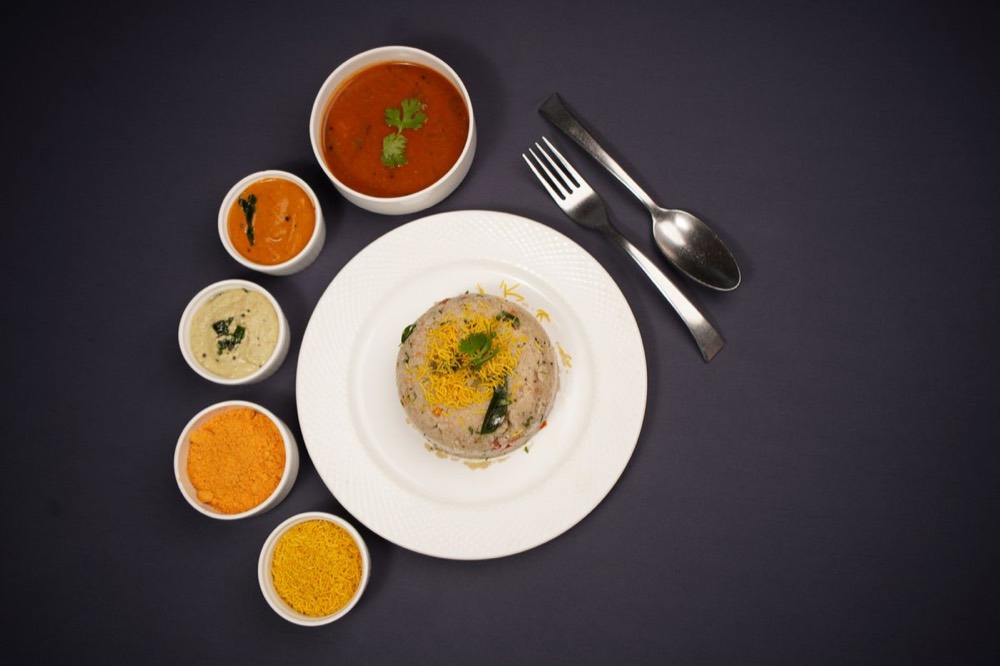
Semiya upma: a quick vermicelli breakfast for busy mornings
How to make soft, non-sticky semiya upma in about 20 minutes, with tips on roasting, water ratio and tempering.
Read the story
Granvia Stories explains what goes into everyday food: the grains we choose, the traditions we learn from, the improvements we make and the people and places connected with the range.
How to make soft, non-sticky semiya upma in about 20 minutes, with tips on roasting, water ratio and tempering.
Read the story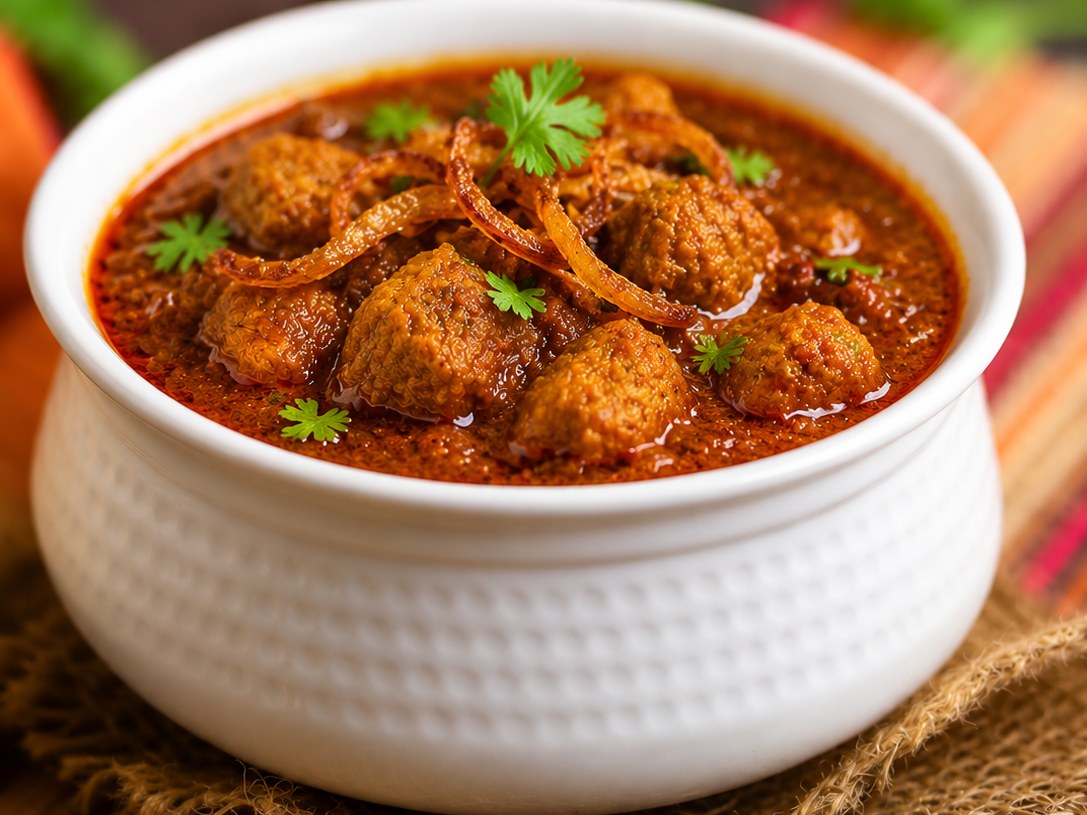
A simple guide to preparing soya chunks so they are soft and full of flavour, with ideas for curry, stir-fry and chowmein.
Read the story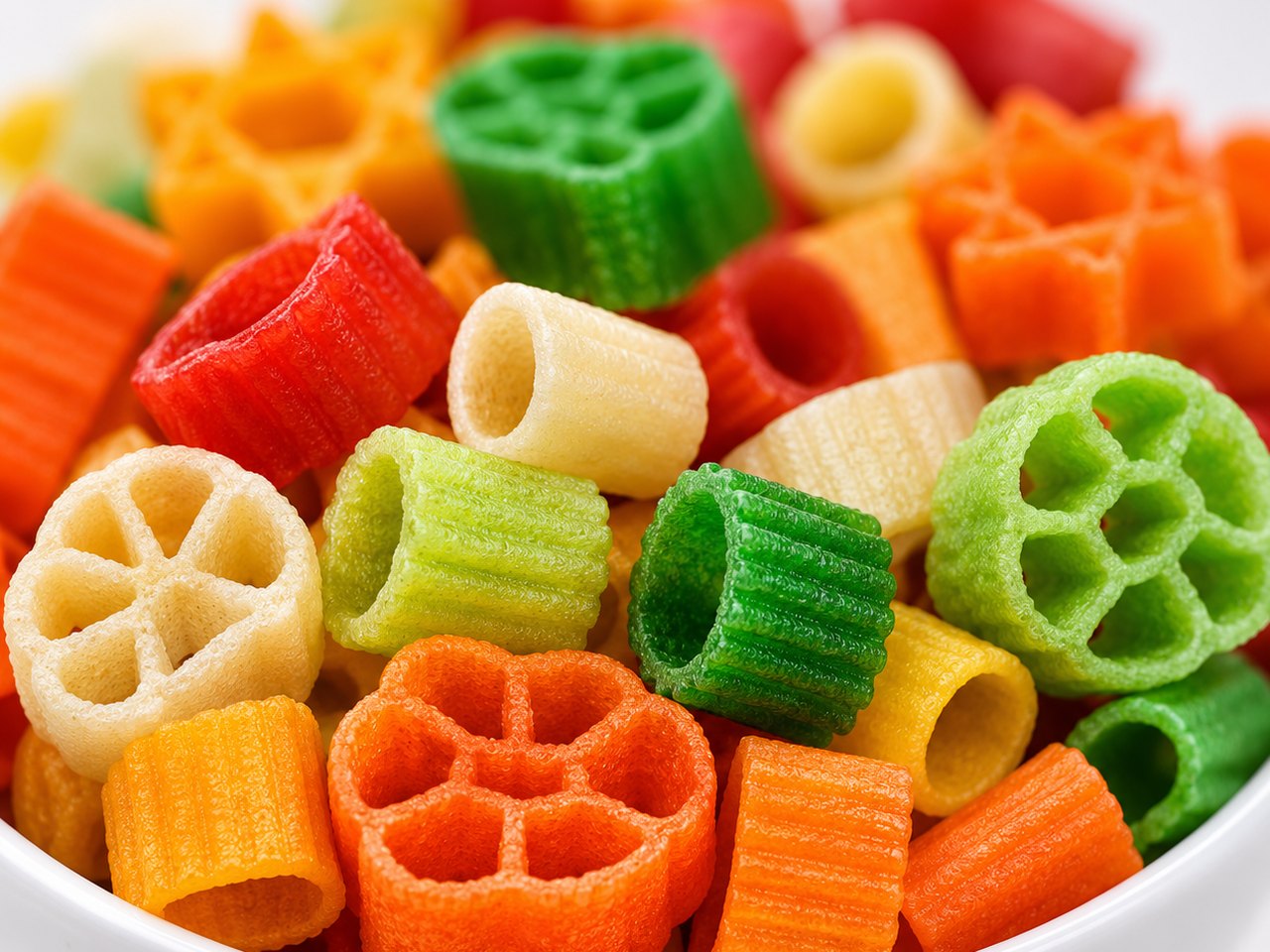
Oil temperature, batch size and storage: everything you need to fry papad fryums perfectly at home.
Read the story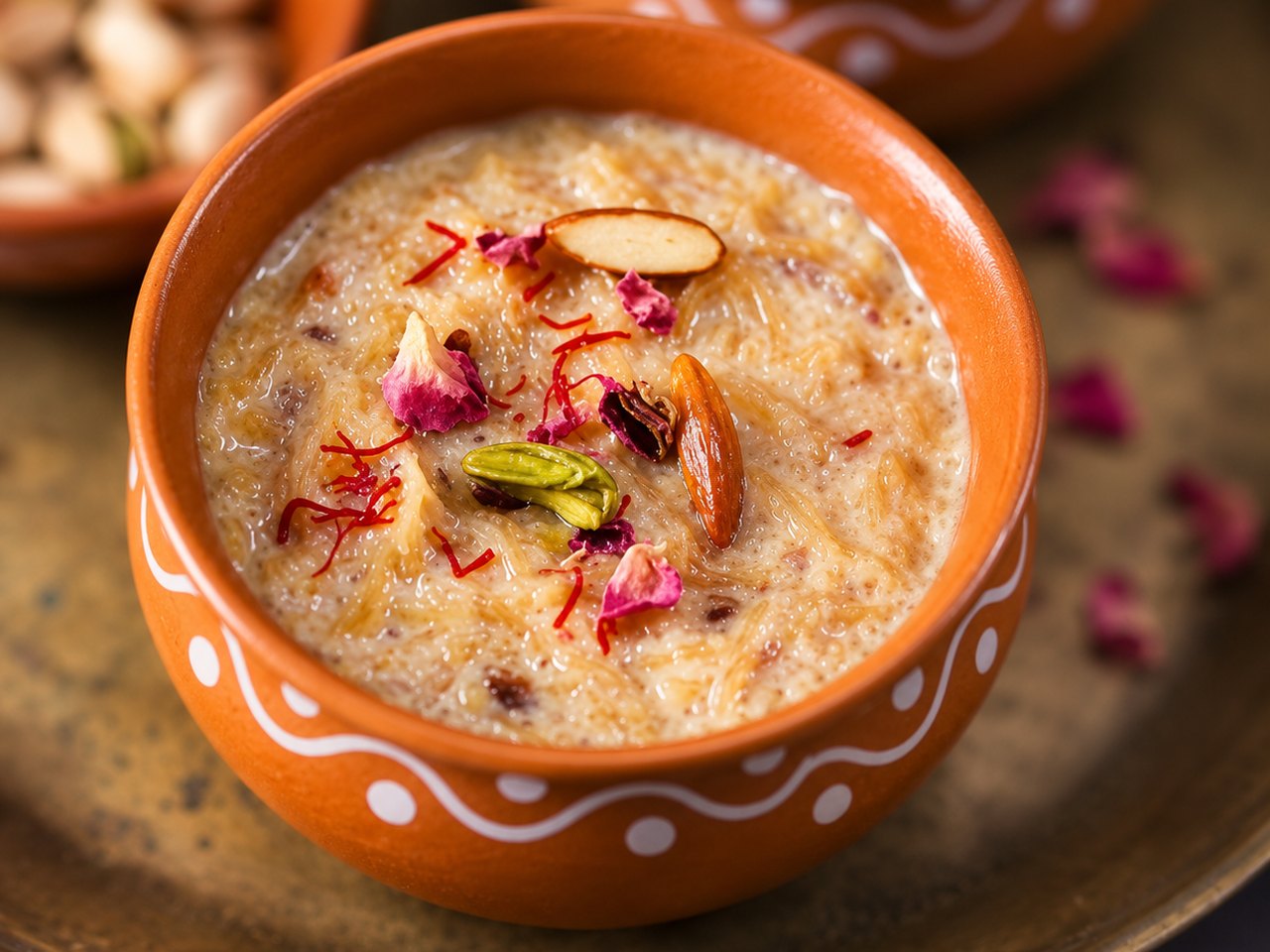
The difference between sheer khurma and seviyan, and a simple recipe for a creamy Eid dessert made with vermicelli.
Read the story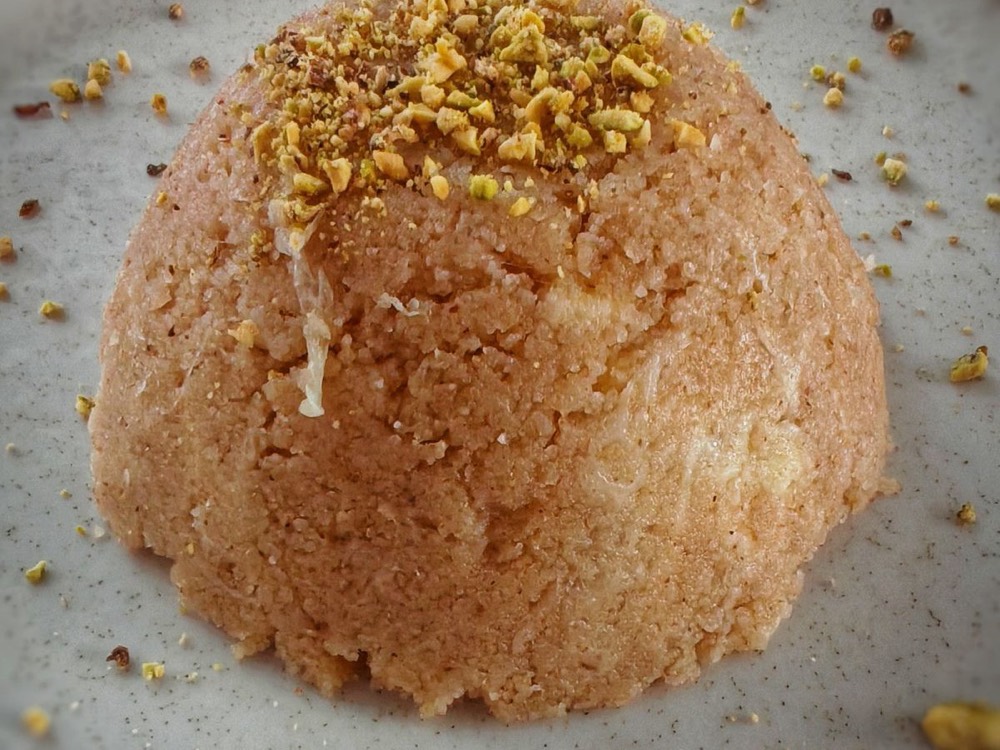
How to make soft, fragrant suji halwa, and how the Bengali mohanbhog offered during pujas differs.
Read the story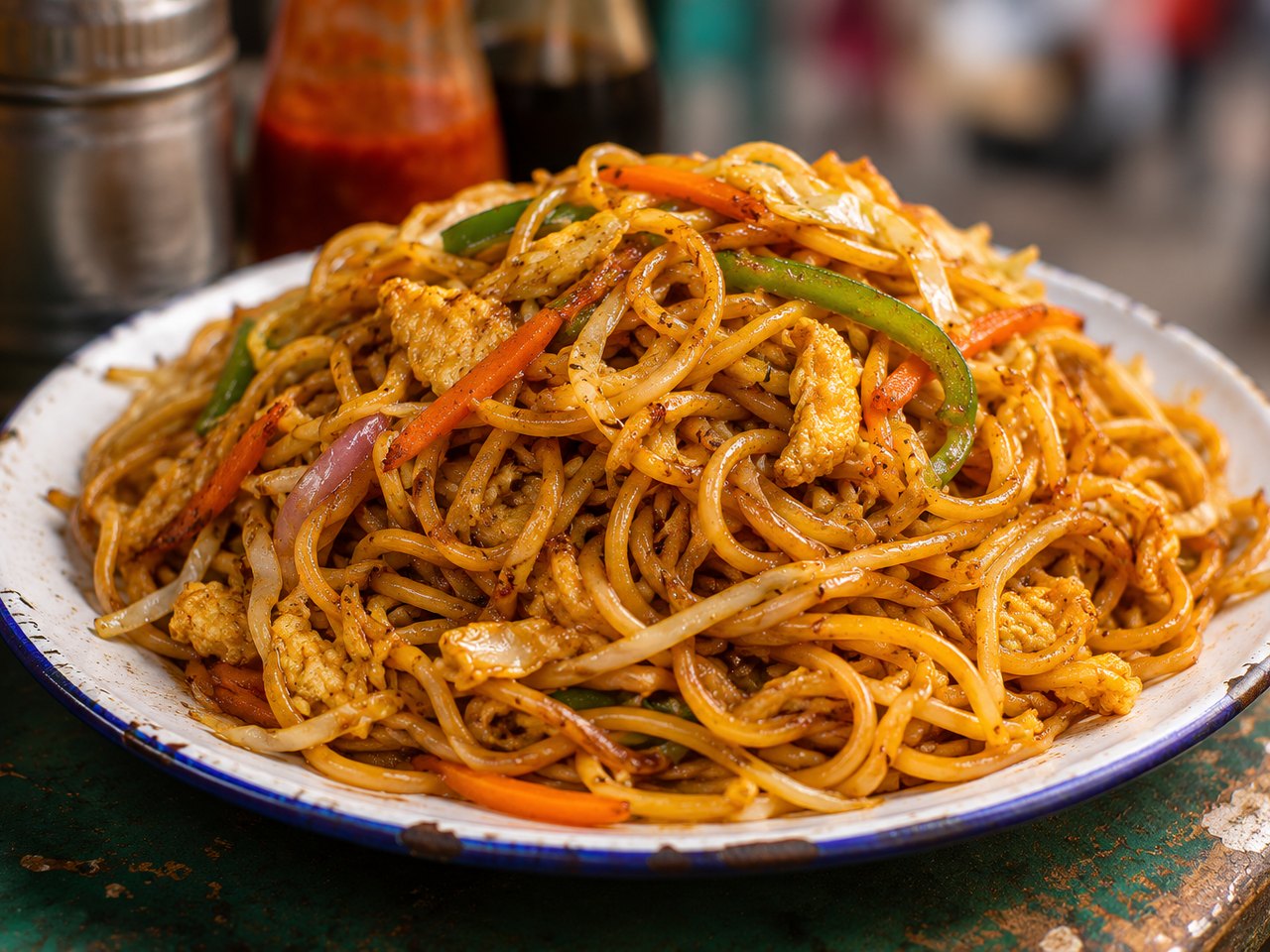
How to recreate the street stall egg chowmein of Kolkata, with a hot pan, scrambled egg and a crunchy onion and cucumber finish.
Read the story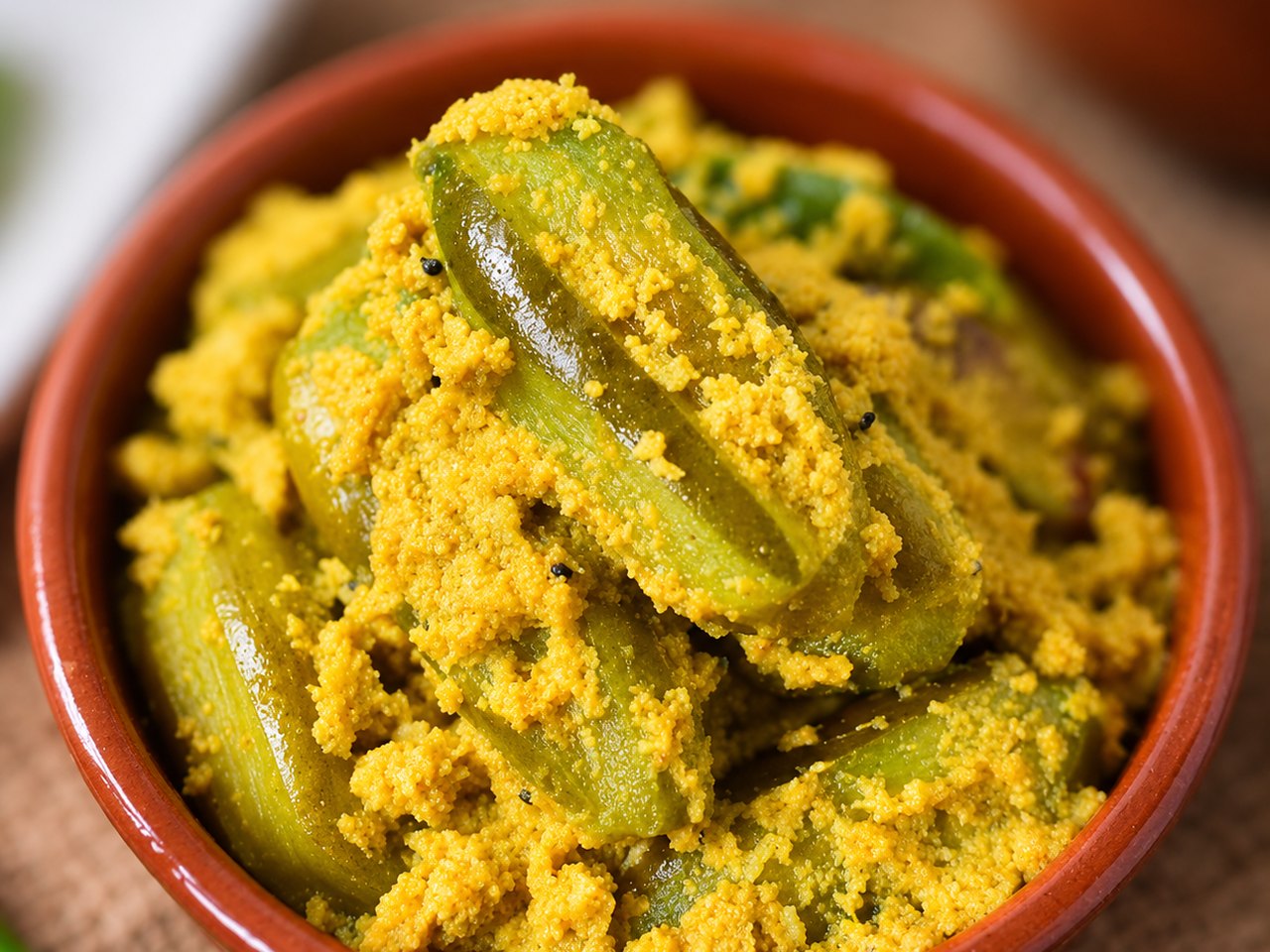
A step-by-step potol posto recipe, with tips on grinding posto smooth and keeping the pointed gourd tender.
Read the story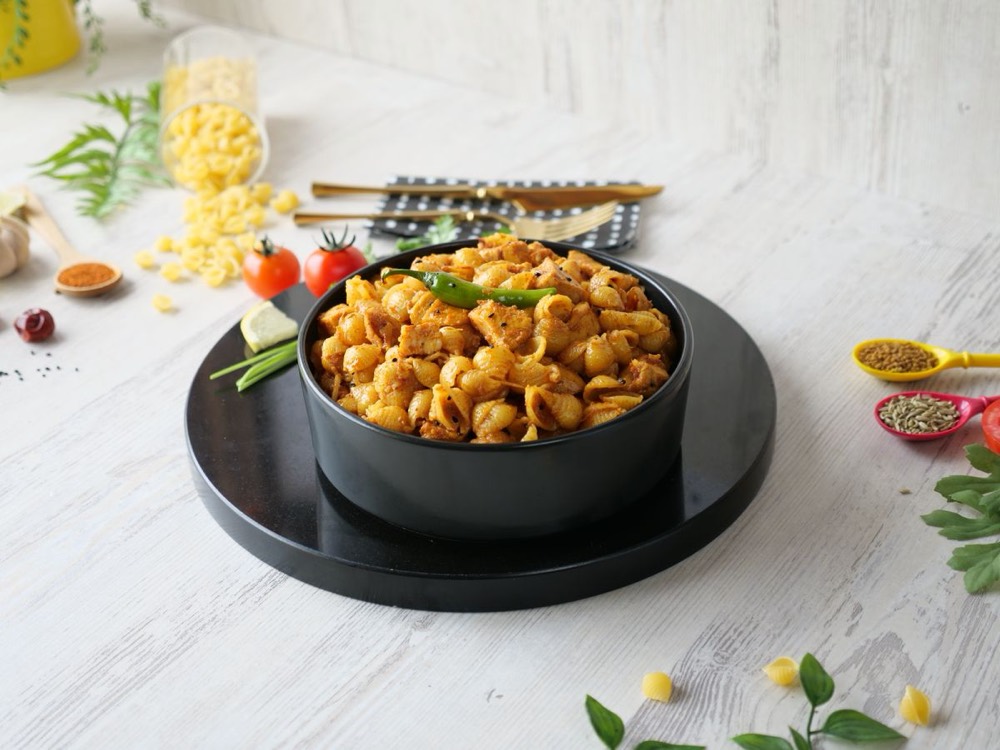
How to make a spicy, tangy Indian style masala pasta with onion, tomato and everyday spices.
Read the story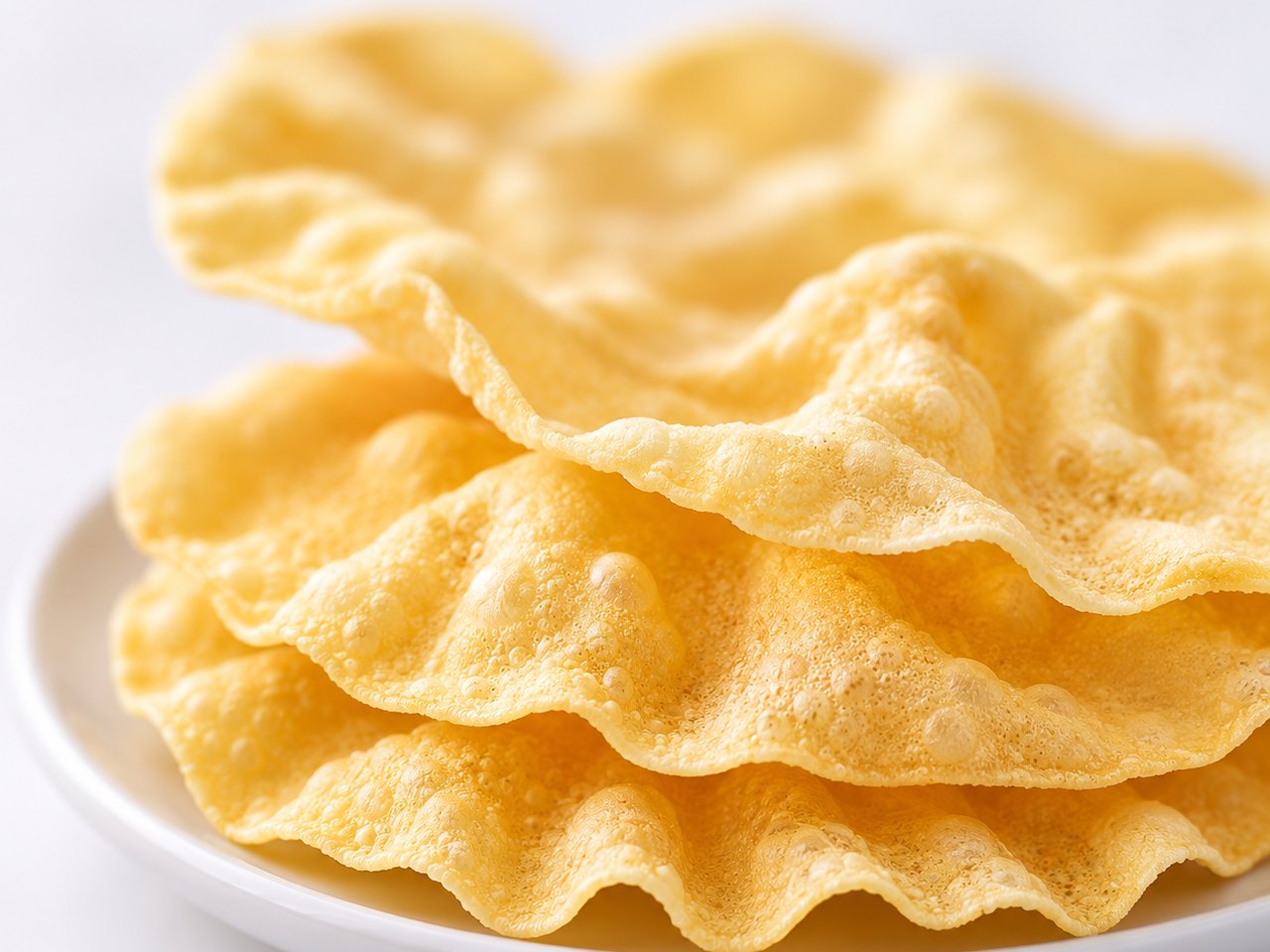
From bhaat and dal to posto, bhaja and an evening plate of chowmein, a simple introduction to everyday Bengali food.
Read the story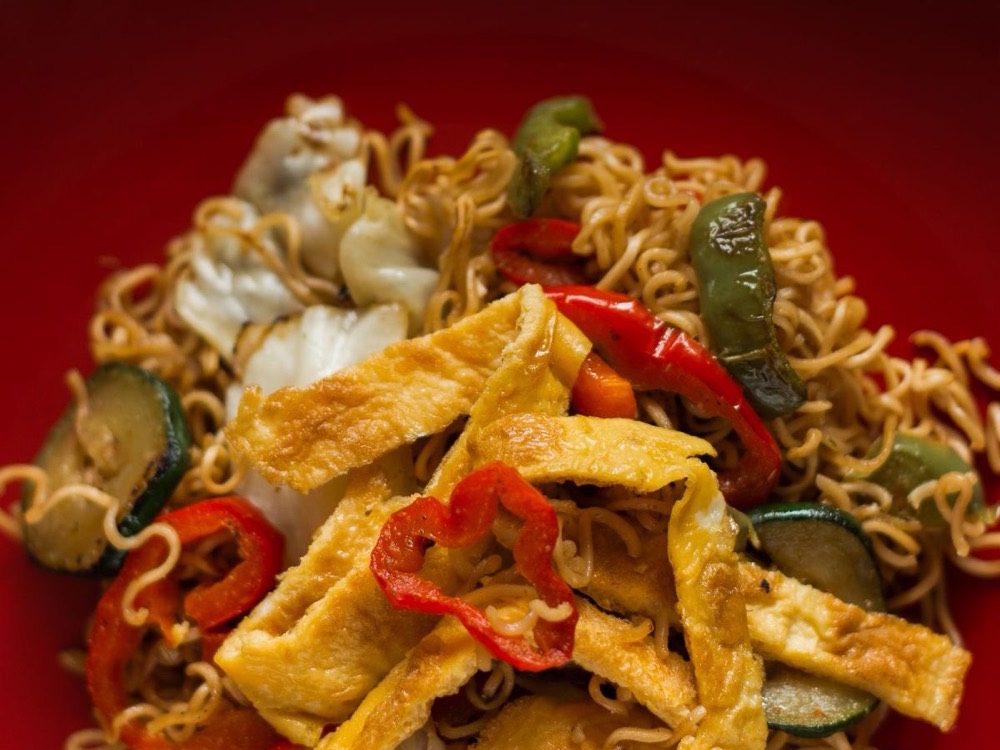
What people eat during Durga Puja, from khichuri bhog and labra to pandal chowmein and fried snacks.
Read the storyA simple checklist for checking any packaged food before you buy: the FSSAI licence number, ingredient list, dates, net weight and storage.
Read the storyColour, size, smell and a simple soak test: how to tell good poppy seeds from stale or impure ones.
Read the storyWhat to look for in colour, grain size and smell, how to spot insects or moisture, and how to store suji so it stays fresh.
Read the storyColour, texture, smell and the soak test: how to choose good soya chunks and what the pack label tells you.
Read the storyHow to tell a good papad, appalam or fryum before and after frying: ingredients, dryness, colour and the puff test.
Read the story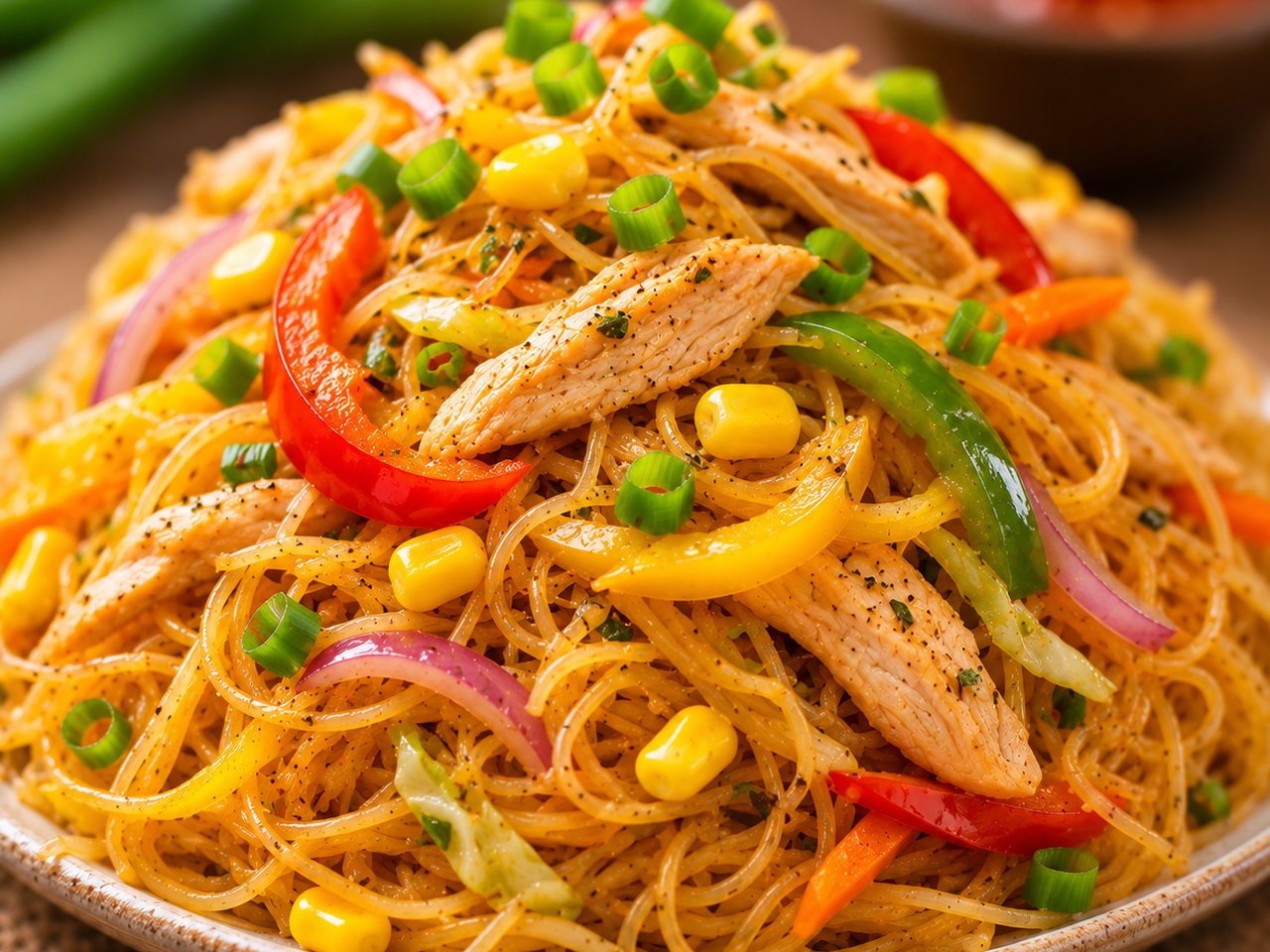
What the ingredient list tells you, why atta, suji and durum wheat differ from maida, and how a good noodle behaves when cooked.
Read the storyWhy the grain behind a familiar noodle matters, and how atta and suji give chowmein a different character.
Read the storyA small seed with a large place in Bengali cooking, and why careful packing matters for an ingredient used every week.
Read the storyFrom the dal to the drying, the details that make an appalam crisp, light and worth putting on the table.
Read the storyWhy Granvia improves familiar foods step by step instead of asking families to change how they eat.
Read the storyGood food becomes more meaningful when people can see where it comes from and why it was made that way.