
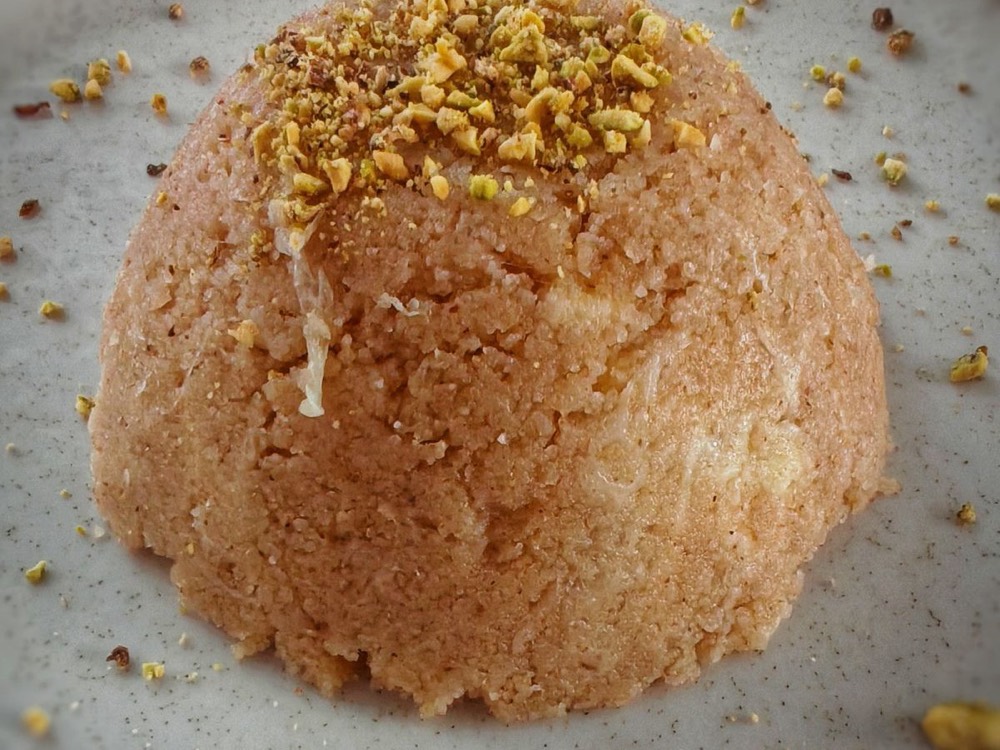
Suji goes into upma, halwa, mohanbhog, rava dosa and more. Good suji gives a fluffy upma and a smooth halwa. Old or damp suji gives lumps and a flat taste.
What good suji looks like
- An even pale cream to light yellow colour.
- Grains of a consistent size, whether fine or coarse.
- Free flowing: it should pour easily without lumps.
- No black specks, husk, webbing or tiny insects.
Smell and feel
Fresh suji smells clean and lightly of wheat. A musty or sour smell means moisture has got in. Rub a pinch between your fingers: it should feel dry and gritty, not damp.
A simple cooking check
Dry roast a spoonful in a pan. Good suji turns evenly golden and smells nutty. If it smells stale or bitter while roasting, it is past its best.
Keeping suji fresh
- Transfer to an airtight jar once opened.
- Keep away from heat and humidity; in monsoon, store in the fridge.
- A light dry roast before storing helps it keep longer.
- Always check the Best Before date on the pack.
Quick answers
- Why does suji get insects?
- Moisture and warm storage. Keep it in an airtight jar in a cool, dry place, or refrigerate it in humid months.
- Should I roast suji before storing?
- A light dry roast removes moisture and helps it keep longer. Let it cool completely before storing.