
Bengali food is often described through its festival dishes and fish curries. But the food most Bengalis eat every day is simpler, seasonal and built around rice.
The order of a Bengali meal
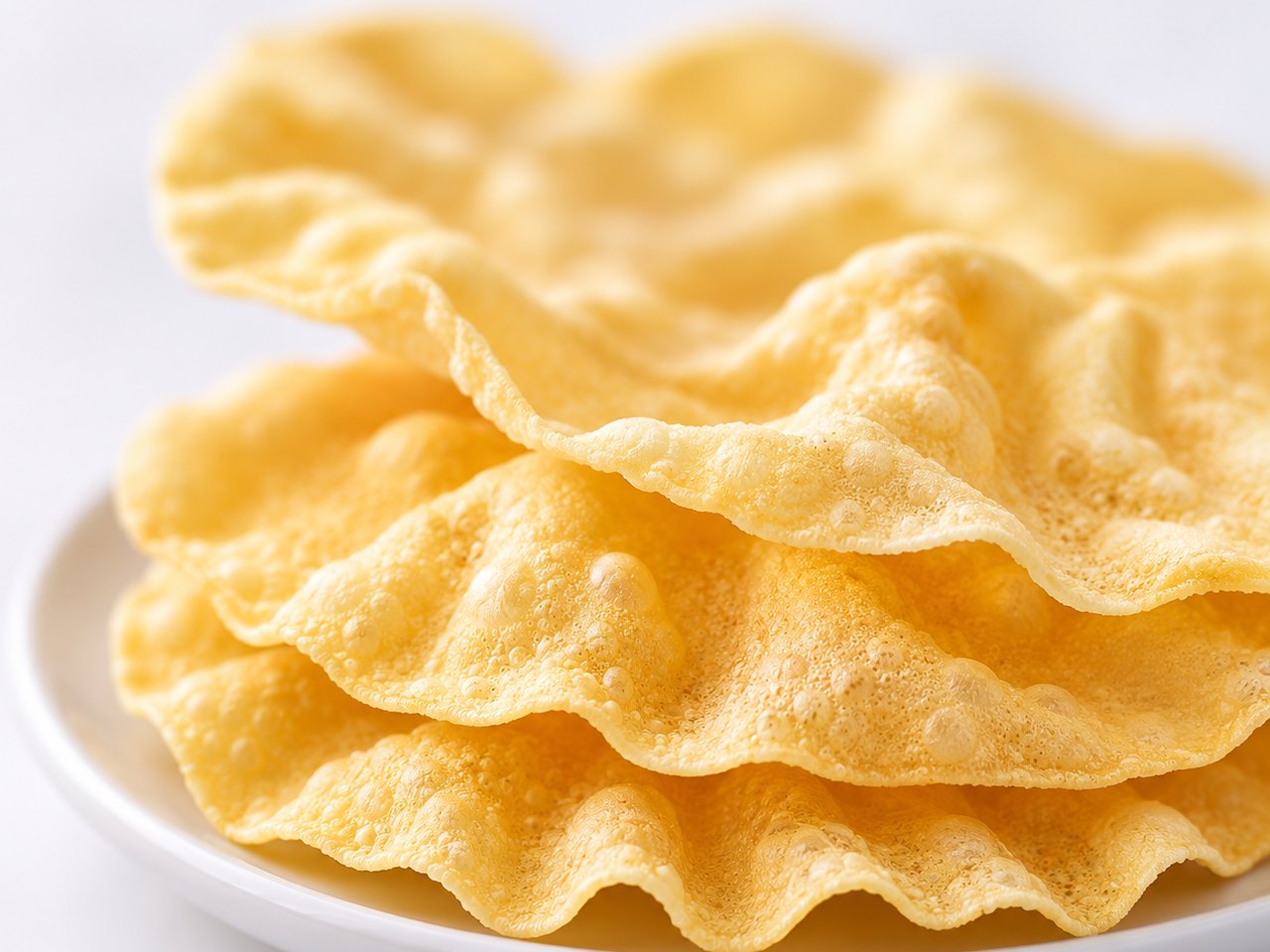
A traditional lunch is served in courses. It often begins with something slightly bitter such as shukto, then moves to dal with bhaja (fried vegetables), a vegetable dish, fish or egg, and ends with chutney and a sweet. A crisp papad or appalam on the side adds crunch.
Pantry staples
- Rice, eaten at most main meals
- Mustard oil and mustard paste
- Posto (poppy seeds), for aloo posto and posto bata
- Panch phoron, a five spice mix
- Masoor and moong dal
- Suji, for halwa and mohanbhog
The evening plate
Evenings belong to tea and something savoury: muri, telebhaja and, in many homes, a quick plate of chowmein. Chowmein became part of Bengali home cooking decades ago and is now one of the most familiar weeknight dinners.
Where Granvia fits
Granvia starts with the foods Eastern Indian families already eat, such as posto, appalam and chowmein, and looks for practical improvements in the grain, the blend or the pack, without changing the meal people love.
Quick answers
- What is a typical Bengali lunch?
- Rice with dal, a fried vegetable, a vegetable curry, fish or egg, then chutney and a sweet.
- What is posto in Bengali food?
- Posto is poppy seeds, ground into a paste and cooked with vegetables, as in aloo posto, or eaten as posto bata with rice.